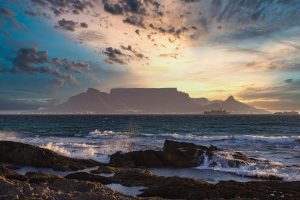
If you only have one day to explore Cape Town’s natural beauty, spend it driving the Cape Peninsula. This circular route takes you from the city along dramatic coastal cliffs, past wild beaches, through indigenous fynbos, and right to the southwestern tip of Africa — all in a single, unforgettable day.
Having driven this route more times than we can count, we’ve put together this comprehensive self-drive guide with everything you need: the full route, estimated drive times, the best stops, practical tips, and advice on when to go.
Why Self-Driving Is the Best Way to See the Cape Peninsula
You can do this route on a guided bus tour. Plenty of companies offer them for around R1,200–R1,800 per person. But here’s the thing: you’ll be locked into someone else’s schedule, rushing past viewpoints you want to linger at, and skipping spots that aren’t on the itinerary.
When you drive yourself, you control the pace. Want to spend an extra 30 minutes watching the penguins? Done. Spotted a quiet beach with no one on it? Pull over. Found a farm stall selling freshly baked goods? You’re stopping. That freedom is what transforms a good day into an extraordinary one.
The roads along the Peninsula are well-maintained and well-signposted. If you’re comfortable driving on the left side of the road, you’ll manage just fine. And if you’re visiting Cape Town for a week or more, having a rental car opens up the entire Western Cape — not just this route.
The Full Cape Peninsula Route at a Glance
| Leg | From → To | Distance | Drive Time |
|---|---|---|---|
| 1 | Cape Town CBD → Hout Bay | 22 km | 30 min |
| 2 | Hout Bay → Noordhoek (Chapman’s Peak) | 10 km | 20 min |
| 3 | Noordhoek → Cape Point | 40 km | 45 min |
| 4 | Cape Point → Boulders Beach | 18 km | 20 min |
| 5 | Boulders Beach → Kalk Bay | 10 km | 15 min |
| 6 | Kalk Bay → Cape Town CBD | 32 km | 35 min |
Total driving distance: Approximately 130 km
Total driving time: Around 2 hours 45 minutes (without stops)
Realistic full-day time: 8–10 hours with stops, meals, and exploring
The Route in Detail: Every Stop Worth Making
Leg 1: Cape Town to Hout Bay via the Atlantic Seaboard
Start your morning early — ideally by 8:00 AM — to beat traffic and make the most of your day. Head out of the CBD along the stunning Atlantic Seaboard, passing through Sea Point, Clifton, and Camps Bay. Even this first stretch will have you reaching for your camera.
Recommended stops:
- Maiden’s Cove Viewpoint — Just before Camps Bay, pull into this parking area on your left for a postcard-perfect view of the Twelve Apostles mountain range with Camps Bay beach below. Free parking, and it takes just 5 minutes.
- Camps Bay Beach — If it’s a warm morning, a quick walk along the white sand with Lion’s Head towering above is a beautiful way to start the day. Grab a takeaway coffee from one of the restaurants lining Victoria Road.
- Llandudno Viewpoint — A few kilometres past Camps Bay, there’s a viewpoint overlooking Llandudno Beach. It’s a small, sheltered cove that looks almost tropical on a calm day.
You’ll arrive in Hout Bay after about 30 minutes of driving. This working fishing harbour has genuine character. If you’re hungry, the Hout Bay Fisheries or Fish on the Rocks serve excellent fresh fish and chips — simple, affordable, and right by the water.
Optional detour: From Hout Bay harbour, you can take a 35-minute boat trip to Duiker Island to see a colony of Cape fur seals. Trips run regularly and cost around R100 per person. It’s fun but not essential if time is tight.
Leg 2: Hout Bay to Noordhoek via Chapman’s Peak Drive
This is the showstopper. Chapman’s Peak Drive is a 9-kilometre toll road carved into the cliff face between Hout Bay and Noordhoek, and it’s regularly listed among the world’s most scenic drives. There’s a toll fee of around R52 for a standard car (they accept card).
The road winds along 114 curves with the Atlantic Ocean crashing against rocks far below and the Chapman’s Peak cliff rising steeply above you. It’s genuinely breathtaking.
Recommended stops:
- Chapman’s Peak Lookout Points — There are multiple marked pull-off areas along the route. Stop at least twice: once looking back towards Hout Bay (the view is spectacular) and once looking south towards Noordhoek Beach. The main viewpoint about halfway along has parking for several cars.
- Noordhoek Beach — As you descend from the pass, you’ll see Noordhoek’s massive 8-kilometre stretch of white sand unfurling below. It’s wild, windswept, and beautiful. Park at the main beach entrance and take a short walk — you might see horse riders cantering along the shore.
- The Foodbarn Deli at Noordhoek Farm Village — A wonderful spot for a pastry and coffee if you need a mid-morning refuel. The farm village also has interesting craft shops.
Important note: Chapman’s Peak Drive occasionally closes due to weather, rockfall risk, or maintenance. Check the status at chapmanspeakdrive.co.za before you go. If it’s closed, you can detour via Ou Kaapse Weg (the old Cape Road) from Hout Bay — still a lovely drive over the mountains, just not as dramatic.
Leg 3: Noordhoek to Cape Point
From Noordhoek, follow the M65 south through Sun Valley and towards Scarborough. The landscape opens up here, becoming wilder and less developed. You’ll pass through Scarborough — a tiny, laid-back village that feels a world away from the city — before entering the Cape of Good Hope section of Table Mountain National Park.
Park entrance fee: R376 per adult for international visitors, R76 for South African residents (2024 rates, payable by card). Keep your receipt — you’ll need it if you exit and re-enter.
Recommended stops:
- Cape of Good Hope Sign — Follow the signs within the reserve to the iconic “Cape of Good Hope — The Most South-Western Point of the African Continent” sign. It’s a short drive from the main gate, with a parking area. There’s a beautiful, rugged beach here and the photo opportunity is obligatory. Arrive early if you can, as it gets busy from mid-morning.
- Cape Point and the Old Lighthouse — This is the main event. Park at the Cape Point parking area and either walk up the paved path (about 20 minutes, moderate fitness required) or take the Flying Dutchman Funicular (around R90 return) to the old lighthouse at the top. The views from the top are staggering — you’re looking out over where the cold Atlantic and warmer Indian Ocean meet, with nothing but sea between you and Antarctica. On a clear day, you can see forever.
Allow at least 1.5–2 hours inside the Cape of Good Hope reserve to see both the Cape of Good Hope sign and Cape Point without rushing.
Keep your eyes open while driving through the reserve — you’ll likely spot baboons, ostriches, eland, and bontebok. A word of warning: the baboons are bold and clever. Never leave food visible in your car or your windows open when parked. They will absolutely help themselves.
Leg 4: Cape Point to Boulders Beach
Leaving the reserve, head north along the eastern coast towards Simon’s Town. The character of the coastline changes noticeably here — it’s calmer, warmer, and more sheltered than the wild Atlantic side.
Recommended stop:
- Boulders Beach African Penguin Colony — This is the highlight that makes everyone smile. A colony of roughly 2,000–3,000 endangered African penguins has made its home among the giant granite boulders here. You’ll walk along elevated boardwalks right through the colony, getting remarkably close to the penguins as they waddle, nest, swim, and squabble. Entry is around R176 for international adults. Allow 45 minutes to an hour — you’ll want to linger.
Tip: For a free (and more adventurous) penguin viewing experience, walk to Windmill Beach, which is just adjacent to the Boulders complex. You can swim among the penguins there — yes, really — though the water is cold and the penguins aren’t always cooperative.
Leg 5: Simon’s Town and Kalk Bay
You’ll be hungry by now, and the timing works perfectly — you should reach this stretch in the early-to-mid afternoon.
Recommended stops:
- Simon’s Town — A charming naval village with a walkable main street, interesting independent shops, and a rich maritime history. Pop into the Simon’s Town Museum or just stroll along the harbour. Look for the statue of Just Nuisance, the only dog ever officially enlisted in the Royal Navy.
- Kalk Bay — This is where you should have lunch. Kalk Bay is a vibrant, bohemian fishing village with some of Cape Town’s best restaurants and most interesting shops. The Brass Bell is an institution — perched right on the rocks with waves crashing below your table. For something more casual, Kalky’s at Kalk Bay harbour serves legendary fish and chips. Also browse the vintage shops, bookstores, and galleries along the main road.
- Kalk Bay Harbour — If the fishing boats are in (usually mornings), you can watch fishermen selling their catch directly from the boats. Cape fur seals hang around hoping for scraps — it’s entertaining to watch.
Leg 6: Kalk Bay Back to Cape Town
From Kalk Bay, you can either take the M3 highway back to Cape Town (faster, about 30 minutes) or continue along the coastal road through St James, Muizenberg, and the southern suburbs (slower but prettier). If it’s been a long day, the highway is perfectly fine.
One last optional stop:
- Muizenberg Beach — Famous for its colourful Victorian bathing boxes. They’re incredibly photogenic, especially in late afternoon light. The beach itself is one of Cape Town’s best spots for beginner surfers, with gentle waves and board rental shops right on the beachfront.
What to Bring on Your Cape Peninsula Drive
Cape Town’s weather is famously unpredictable — locals say you can experience four seasons in one day, and they’re not exaggerating. Pack for versatility:
- Sunscreen (SPF 50+) — The UV in Cape Town is intense, even on overcast days. This is non-negotiable.
- A warm windbreaker or fleece — Cape Point is often windy and several degrees cooler than the city, even in summer.
- Comfortable walking shoes — You’ll want decent grip for the Cape Point walk and the rocky paths at Boulders Beach.
- Sunglasses and a hat — The glare off the ocean is strong.
- Cash and cards — Most places accept card, but some farm stalls and smaller vendors prefer cash. Having a few hundred Rand in notes is handy.
- Snacks and water — There are long stretches with limited food options, especially between Noordhoek and Cape Point.
- A fully charged phone — For navigation (Google Maps works well on this route) and the approximately 4,000 photos you’ll take.
- Binoculars — Optional but wonderful. You might spot whales (in season), dolphins, sunbirds, and raptors.
Best Time of Year to Drive the Cape Peninsula
October to April (late spring to autumn) is the ideal window. You’ll get longer daylight hours, warmer temperatures (20–30°C), and a much better chance of clear skies and calm seas.
Within that range:
- November to February — The warmest and driest months. Long days with sunset as late as 8:00 PM give you maximum time. December and January are peak tourist season, so Cape Point and Boulders Beach will be busiest.
- October and March/April — Shoulder season. Fewer crowds, still pleasant weather, and often excellent visibility. These are arguably the best months for this drive.
- June to August (winter) — Shorter days, rain, and a higher chance of Chapman’s Peak being closed. However, winter is peak whale-watching season (June–November), and if you get a clear winter’s day, the light is absolutely stunning. It’s a gamble, but it can pay off.
Day of the week matters too. Weekdays are significantly quieter than weekends, especially at Boulders Beach and on Chapman’s Peak. If you have flexibility, go on a Tuesday or Wednesday.
Practical Driving Tips for the Route
- Drive on the left. South Africa drives on the left side of the road, with right-hand-drive vehicles. If you’re not used to this, take 10 minutes in a quiet area to get comfortable before tackling the coastal roads.
- Fuel up before you leave. Fill your tank in Cape Town or Hout Bay. There are petrol stations along the route, but it’s one less thing to worry about. Petrol in South Africa is around R23–R25 per litre (2024 prices), and a standard car will use about one tank for the full circuit.
- Start early, drive clockwise. Leaving by 8:00 AM and driving clockwise (Atlantic side first, False Bay side back) means you’ll hit Chapman’s Peak with morning light on the ocean and arrive at Cape Point before the tour buses at midday.
- Watch your speed on Chapman’s Peak. It’s tempting to gawk at the scenery while driving. Rather pull over at a designated viewpoint than try to take photos from behind the wheel. The road has sharp curves and no room for distraction.
- Lock your car and hide valuables. This applies everywhere in South Africa. Never leave bags, cameras, or anything tempting visible in a parked car. Use the boot (trunk).
Why a Monthly Rental Makes Sense for Exploring Cape Town
The Cape Peninsula is just one of many incredible self-drive experiences around Cape Town. There’s the Cape Winelands, the West Coast, Hermanus, Route 62, and the Garden Route — all within a few hours’ drive.
If you’re staying in Cape Town for a few weeks or longer — as many remote workers, tourists, and new expats do — renting a car on a monthly basis is far more cost-effective than daily rentals or relying on ride-hailing apps. At Monthly Car Rent, our long-term rentals start from R4,800 per month, which includes comprehensive insurance, maintenance, and 24/7 roadside assistance. There are no hidden costs and no nasty surprises on the invoice. It works out to a fraction of what daily rental companies charge, and you get the freedom to explore whenever the mood (or the weather) strikes.
A Day You’ll Remember
The Cape Peninsula drive is one of those rare experiences that lives up to the hype. The combination of dramatic mountain passes, rugged coastline, unique wildlife, and charming seaside villages — all packed into a single circular route — is genuinely world-class.
And the beauty of doing it yourself, in your own car, at your own pace? You’ll come back with stories that no bus tour itinerary could ever give you. The hidden beach you stumbled on. The baboon standoff in the parking lot. That perfect fish and chips in Kalk Bay with the waves crashing at your feet.
Get an early start, bring layers, charge your phone, and give yourself the full day. You won’t regret a single kilometre.